
Probiotics and Prebiotics: The Science Behind a Healthier Gut, Stronger Immunity, and Better Mental Health
What if the key to a stronger immune system, a more stable mood, and better digestion wasn't in a pharmacy — but in your kitchen? Over the last decade, gut health has moved from the fringes of alternative medicine to the center of mainstream science. And the evidence is clear: the trillions of microorganisms living in your digestive tract are among the most powerful regulators of your overall health.
At the heart of this revolution are two terms you've probably heard but may not fully understand: probiotics and prebiotics. They're not the same thing. They work in completely different ways. And together, they may be the most underutilized tool in modern health.
Your Gut Microbiome: The Invisible Organ Running Your Health
The human gut is home to approximately 38 trillion microorganisms — bacteria, fungi, viruses, and other microbes collectively known as the gut microbiome. This ecosystem, unique as a fingerprint, weighs about 2kg and functions like an organ in its own right, influencing digestion, immunity, metabolism, and even brain chemistry.
A diverse, balanced microbiome is associated with lower rates of obesity, autoimmune conditions, anxiety, depression, and inflammatory bowel disease. A depleted, imbalanced one — a state called dysbiosis — is linked to a staggering range of health problems that may seem completely unrelated to digestion.
What Are Probiotics — And What Do They Actually Do?
Probiotics are live microorganisms that, when consumed in adequate amounts, confer a health benefit on the host. In simpler terms: they're the good bacteria you're actively adding to your gut.
Probiotics and Intestinal Health
Within the gut, probiotics reinforce the intestinal barrier — the lining that separates the gut contents from the bloodstream. A compromised barrier (often called "leaky gut") allows bacteria and toxins to enter the bloodstream and trigger systemic inflammation. Specific strains, particularly Lactobacillus rhamnosus and Bifidobacterium longum, have been shown to significantly strengthen tight junction proteins that hold intestinal cells together.
Probiotics and the Immune System
Nearly 70% of the immune system resides in the gut. Probiotic bacteria interact directly with immune cells in the gut-associated lymphoid tissue (GALT), training them to distinguish between harmful pathogens and harmless food proteins. This calibration reduces both susceptibility to infection and the risk of autoimmune overreaction.
The Gut-Brain Axis: How Probiotics Affect Your Mood
This is perhaps the most surprising frontier in probiotic research. The gut and brain are connected by the vagus nerve — a bidirectional highway of chemical signals. The gut produces approximately 90% of the body's serotonin, the neurotransmitter most associated with happiness, mood regulation, and sleep quality. When the microbiome is disturbed, serotonin production drops — and this is reflected in mood, anxiety levels, and even cognitive sharpness.
Multiple clinical trials show that specific probiotic supplementation reduces symptoms of depression and anxiety comparably to some first-line treatments — without the side effects. The field is now called psychobiotics.
What Are Prebiotics — And Why Are They Just as Important?
If probiotics are the good bacteria, prebiotics are their food. Prebiotics are specific types of dietary fiber — primarily fructooligosaccharides (FOS) and inulin — that the human digestive system cannot break down but that beneficial gut bacteria ferment and use for energy.
Think of it this way: introducing probiotics without adequate prebiotics is like moving beneficial plants into a garden without enriching the soil. They'll survive but won't thrive. Prebiotics create the environment in which probiotic bacteria can colonize, multiply, and exert their beneficial effects.
Best Food Sources of Probiotics and Prebiotics
You don't need supplements to build a healthy microbiome — though they can help. The most reliable and evidence-backed approach starts with food:
Top Probiotic Foods
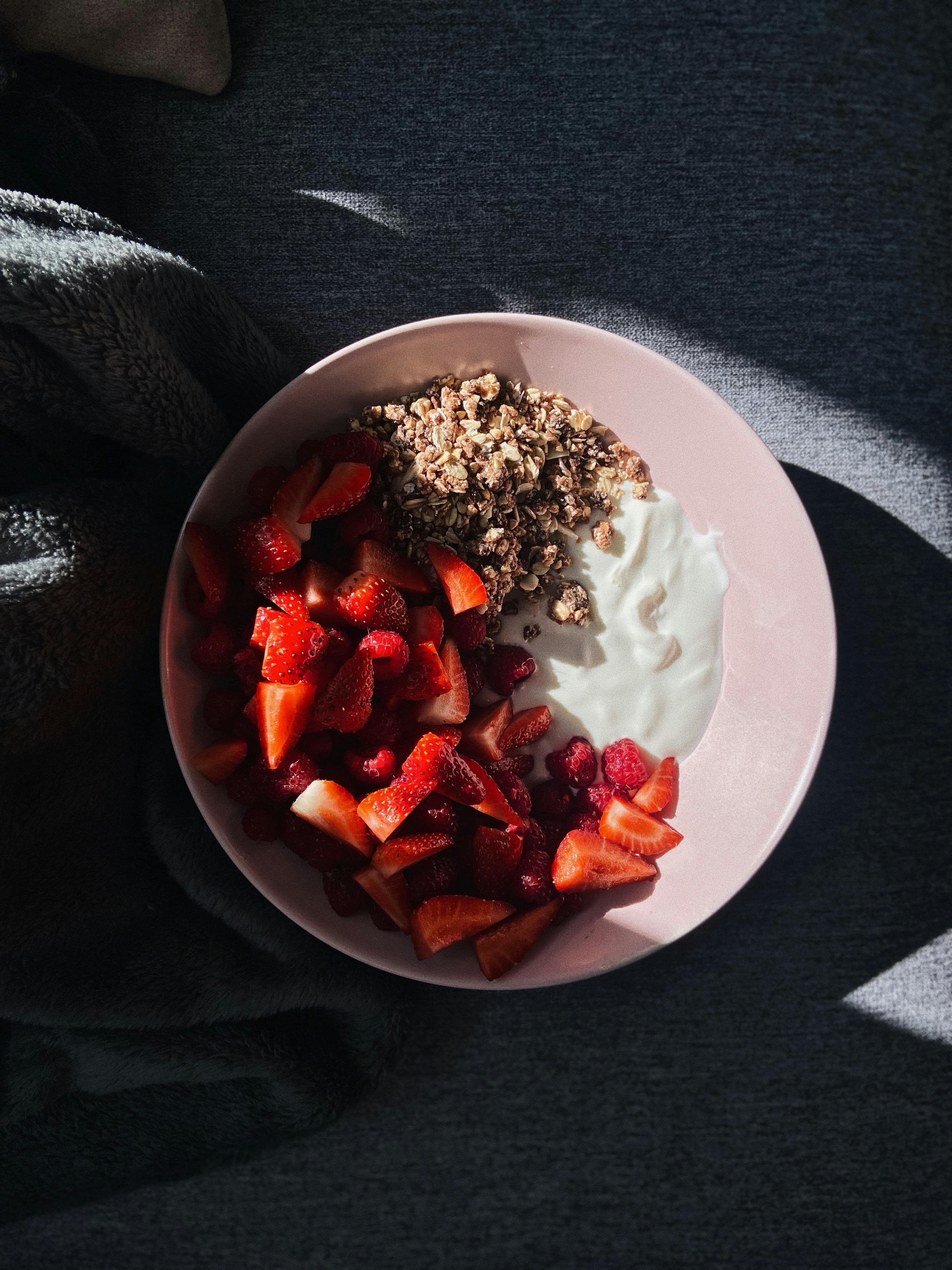
Plain yogurt with live active cultures (look for Lactobacillus and Bifidobacterium on the label)
Kefir — a fermented dairy drink with significantly higher probiotic diversity than yogurt
Kimchi and sauerkraut — naturally fermented vegetables rich in Lactobacillus strains
Kombucha — fermented tea containing organic acids, B vitamins, and live cultures
Miso and tempeh — fermented soy products widely used in Japanese and Indonesian cuisines
Top Prebiotic Foods
Garlic and onions — among the richest sources of inulin and FOS
Green/unripe bananas — high in resistant starch, a powerful prebiotic
Oats and whole grains — rich in beta-glucan, which feeds Bifidobacterium species
Asparagus and artichokes — excellent sources of inulin
Legumes (lentils, chickpeas, black beans) — high in fermentable fiber that fuels microbiome diversity
How to Start: A Practical Approach to Gut Health
Building a healthier gut microbiome doesn't require a complete dietary overhaul. Research shows that even small, consistent changes produce measurable microbiome improvements within 3–4 weeks. A simple starting framework:
Add one fermented food daily — a serving of plain yogurt at breakfast is enough to start.
Aim for 30 different plant foods per week — diversity in plants drives diversity in the microbiome, which is the strongest predictor of gut health.
Reduce ultra-processed foods and refined sugar — these selectively feed harmful bacterial strains and suppress beneficial ones.
Manage stress actively — chronic stress alters gut permeability and microbiome composition as rapidly as dietary changes.
The gut microbiome is not fixed. It's dynamic, responsive, and remarkably plastic. The choices you make today are reshaping it in real time — and those changes ripple outward to every system in your body.